Last Updated: November 4, 2026
Quick Summary
Pet transport insurance usually covers three core areas: veterinary expenses for injury or illness in transit, loss, injury, or death of an animal in the transporter’s care, and third-party liability for harm to people or property. Limits and conditions vary by carrier, so read the policy closely. It is separate from travel insurance for pet owners.
- Veterinary coverage often has a per-animal limit, so confirm it fits likely care costs.
- Policies often pay up to a stated value for an animal lost, injured, or dying in care.
- Keep vet records and proof of value, since claims usually require them.
- Liability coverage can apply when an animal damages property or injures a bystander.
- Ask the transporter whether their policy covers animals in their care, and do not assume it does.
Table of Contents
- Pet Transport Insurance Versus Travel Insurance for Pet Owners
- Pet Transportation Insurance Coverage: What a Standard Policy Includes
- Pet Travel Insurance Single Trip: When a One-Time Policy Fits
- Pet Transport Insurance Exclusions and Claim-Denial Scenarios
- How to Evaluate Policy Limits Against Veterinary and Transport Risks
- What Pet Transport Costs and What Your Premium Buys
- Booking Your Pet’s Transport With Coverage Confirmed in Writing
- Frequently Asked Questions
Pet Transport Insurance Versus Travel Insurance for Pet Owners
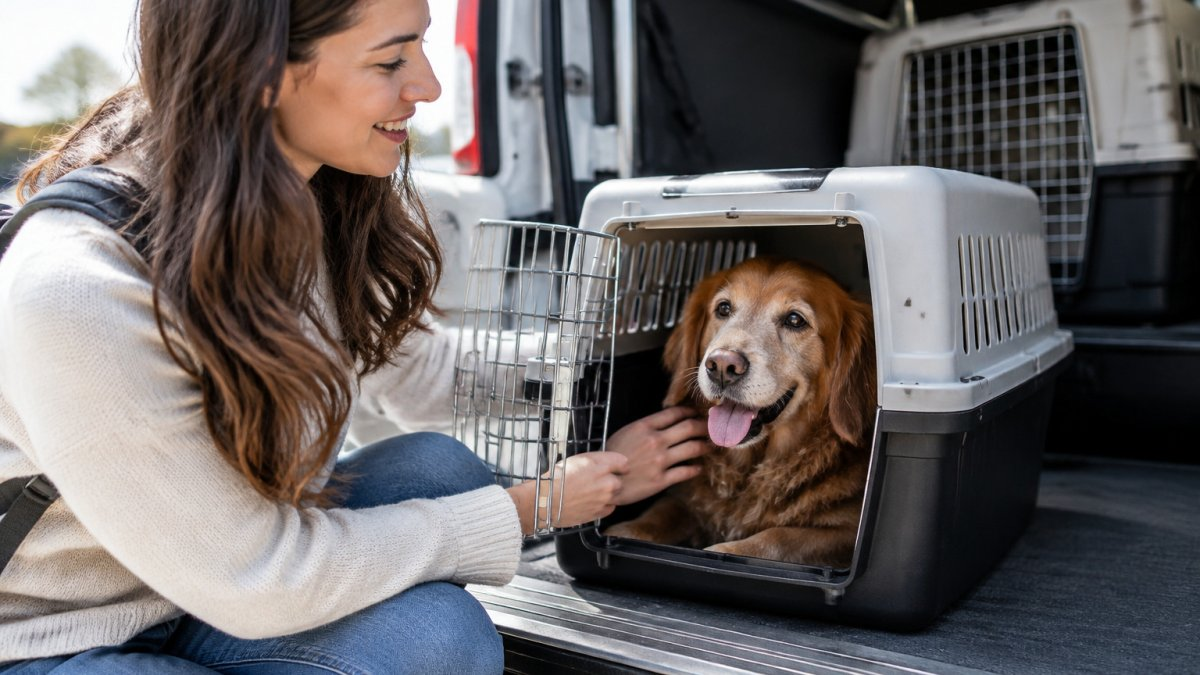
Pet transport insurance protects animals while they are in the care of someone else during a move, and it is often confused with travel insurance for pet owners.
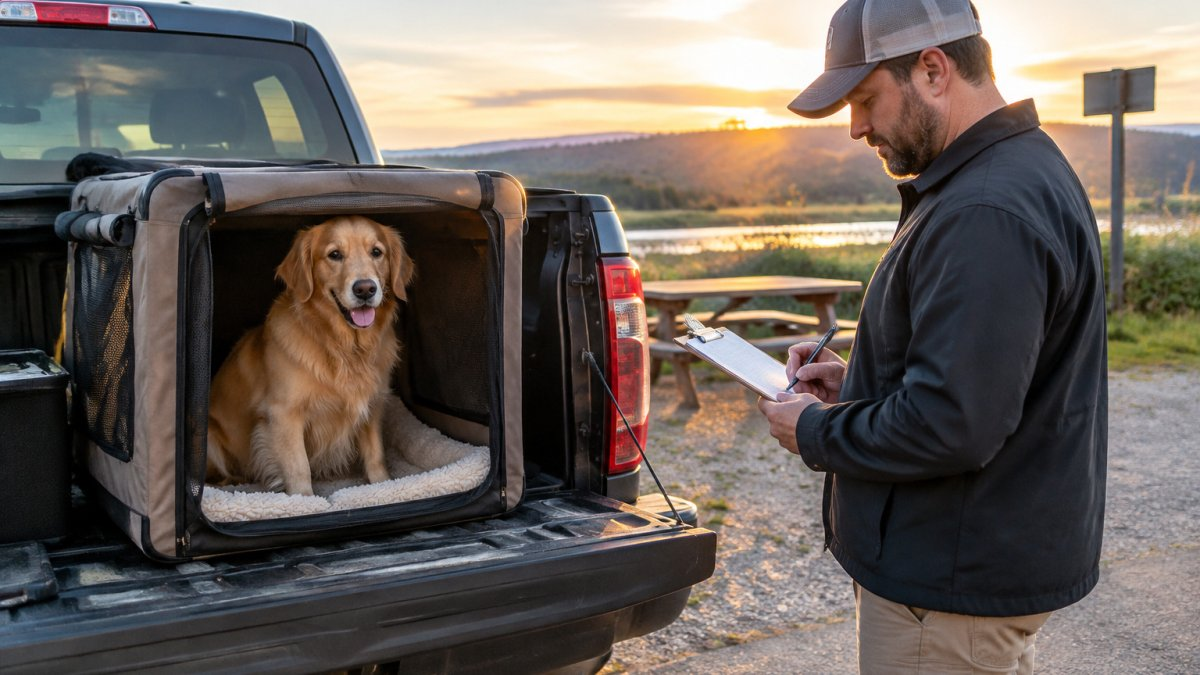
Pet transport insurance is generally built for businesses that move animals for others, such as independent transporters and transport companies. It covers the animal while it is in their care.
Here is a quick way to tell them apart:
- Pet transport insurance: You move animals for other people for pay.
- Pet travel insurance: You travel with your own pet and want protection for your trip.
- Key difference: Transport insurance follows the animal in care. Travel insurance follows the traveler.
If you are a pet owner hiring a transporter, ask the transporter whether their policy covers animals in their care. Do not assume it does.
Pet Transportation Insurance Coverage: What a Standard Policy Includes
A standard pet transportation insurance policy usually covers three core areas. These are the costs that most often come up when an animal is hurt, lost, or harms someone else during transit. Read the policy language closely, because limits and conditions vary from carrier to carrier. Our guide on what to look for in pet transport insurance walks through the key terms to compare.
Veterinary Expenses for Injury or Illness in Transit
Some transport insurance policies include veterinary coverage for medical care if the animal gets sick or hurt while in transit. Many policies set a per-animal limit, so check whether that limit fits the animal’s likely care costs.
Loss, Injury, or Death of an Animal in Care
This coverage responds when an animal is lost, injured, or dies while in the transporter’s care. Policies often pay up to a stated value for the animal. Pet owners should keep vet records and proof of value handy, since claims usually require them.
Third-Party Liability, Legal Costs, and Property Damage
Liability coverage applies when the transport causes harm to someone else or their property. For example, an animal that damages a rented vehicle or injures a bystander may trigger a claim. Legal defense costs are often included, but check whether they count against the policy limit.
The article breaks a standard pet transportation policy into three core coverage areas:
| Coverage area | What it responds to | Key check |
|---|---|---|
| Veterinary expenses | Injury or illness in transit | Per-animal limit fits likely care costs |
| Loss, injury, or death of an animal | Animal lost, injured, or dies in care | Pays up to a stated value; keep vet records |
| Third-party liability | Harm to someone else or their property | Check whether legal costs count against the limit |
Pet Travel Insurance Single Trip: When a One-Time Policy Fits
A single trip pet travel insurance policy covers one journey from start to finish. It suits an owner who is taking one trip with a pet and wants protection for that specific window. Single trip plans are often simpler and cheaper than annual plans.
Single trip coverage often includes trip cancellation, trip interruption, and emergency veterinary care while traveling. Some plans also include return coverage if the pet cannot continue the journey.
Pet Transport Insurance Exclusions and Claim-Denial Scenarios
Most claim denials come down to exclusions the policyholder did not read closely. The fastest way to protect yourself is to walk through the scenarios that trigger denials before a loss happens, not after. Below are the exclusions that appear most often in animal-in-care and commercial transport policies, paired with the concrete fact patterns that turn them into denials.
Pre-Existing Conditions
A pre-existing condition is any injury, illness, or symptom that existed or was diagnosed before the policy took effect or before the trip began. Insurers commonly deny claims when veterinary records show the animal was treated for the same issue in the weeks before transit.
Watch out: a transporter who accepts an animal with an undisclosed condition can see the entire claim denied, not just the portion tied to that condition, depending on the policy language.
Improper Crating, Restraint, or Handling
Policies routinely exclude losses caused by inadequate crating, an unrestrained animal in the vehicle, or handling that violates the carrier’s written rules. A common pattern is a dog that escapes after a crate latch fails or a cat that is let out of its carrier at a rest stop. The insurer will ask for the crate specification, the restraint method, and the transporter’s handling log. If those records do not match the policy’s requirements, the claim is denied.
Losses Outside the Agreed Route, Dates, or Custody Window
Animal-in-care coverage follows the animal only while it is in the transporter’s custody during the agreed route and transport window. A pet that is boarded overnight outside the policy period, handed to a subcontractor who is not listed on the policy, or kept past the delivery date may fall outside coverage. Multi-carrier journeys are a frequent source of denials because custody changes hands and the policy may name only one carrier.
The Animal’s Own Behavior
Many policies exclude injuries the animal causes to itself, such as chewing through a carrier, jumping from a vehicle, or self-inflicted stress injuries, unless a specific endorsement adds that coverage. Bite injuries to the transporter or a bystander may fall under liability rather than veterinary coverage, and the two limits are separate.
Policy Limits, Deductibles, and Late Reporting
A claim can be denied or reduced when it exceeds a per-animal or per-incident limit, when the deductible has not been met, or when the incident is reported after the policy’s notice deadline. Most policies require prompt notice and written documentation, so a delay of even a few days can complicate a valid claim.
Documentation That Prevents Denials
Keep a written record of how the animal was handled at every stop: check-in and check-out times, crate type, feeding and water schedule, any veterinary contact, and the name of the person in custody at each handoff. Photograph the animal and the crate at pickup and delivery. If a denial happens anyway, request the specific policy provision cited, in writing, and compare it to the language in your certificate.
How to Evaluate Policy Limits Against Veterinary and Transport Risks
Policy limits set the most the insurer will pay, but the headline number tells you very little on its own. Two policies can both advertise a $10,000 limit and behave very differently when a claim happens. The sections below explain the mechanics that determine what a limit actually buys, so you can compare policies beyond the marketing number.
Per-Animal vs. Per-Incident vs. Aggregate Limits
A per-animal limit caps what the policy pays for any one animal. A per-incident limit caps what it pays for a single event, such as a vehicle accident that injures several animals. An aggregate limit caps total payments across the policy term. If you transport multiple animals, a per-incident limit can be exhausted quickly, leaving later animals in the same event underinsured. Ask the carrier which limit applies first and whether defense costs erode the limit.
Deductibles and How They Apply
A deductible is the amount you pay before the insurer pays. Check whether the deductible applies per claim, per animal, or per policy term, because a per-claim deductible on a multi-animal incident multiplies fast. A lower premium with a high per-claim deductible can cost more out of pocket than a slightly higher premium with a lower deductible.
Valuation: Actual Cash Value vs. Agreed Value
When an animal is lost or dies, the payout method matters. Actual cash value typically pays the animal’s fair market value at the time of loss, which for a pet may be modest. Agreed value pays a stated amount set when the policy is written. For high-value animals, breeding stock, or animals with documented training or competition value, agreed value is usually the better fit, but it requires proof of value at underwriting.
Reimbursement Mechanics and Veterinary Bills
Most policies reimburse after you pay the veterinary bill, rather than paying the clinic directly. That means you need cash flow to cover emergency care before reimbursement arrives. Confirm the reimbursement timeline, whether pre-authorization is required for non-emergency care, and whether the policy pays usual-and-customary charges or the full billed amount.
Matching Limits to the Route and the Animal
Start by listing the costs you could face: emergency veterinary care along the route, the animal’s documented value, liability exposure if the animal injures a person or damages property, and the cost of returning or replacing the animal.
Watch out: a limit that looks generous for veterinary care may be separate from the liability limit, and a claim that touches both can exhaust one while leaving the other untouched.
What Pet Transport Costs and What Your Premium Buys
Pricing depends on the animal, the route, the length of the trip, and the coverage limits you choose. For current pricing, request a quote through The Pet Transport Network LLC’s website. Premiums that look low often carry lower limits or more exclusions, so compare what each premium actually covers.
When you compare quotes, look at the coverage limits, the deductible, and the exclusions side by side. A slightly higher premium can be the better value if it closes a major gap.
Booking Your Pet’s Transport With Coverage Confirmed in Writing
Before you book, ask the transporter for a written copy of their insurance certificate.
The Pet Transport Network LLC connects pet parents with vetted independent transporters and established transport companies across the U.S.
Frequently Asked Questions
Is pet transport insurance the same as travel insurance for pet owners?
No. Pet transport insurance protects animals in the care of a transporter.
What is usually excluded from pet transport insurance?
Common exclusions include pre-existing conditions, improper crating, and losses outside the agreed route or dates.
Frequently Asked Questions
How much does pet transport usually cost?
Pricing depends on distance, the type of transport, the animal’s size and any special handling needs, and the travel dates. For current pricing, request a quote through The Pet Transport Network LLC’s website for your specific route. When you compare quotes, confirm whether insurance is included, what limits apply, and whether emergency veterinary care is covered. A lower price can leave gaps in coverage, so compare what each quote protects you against as well as the amount you pay.
Does pet transport insurance cover veterinary bills if a pet is injured during transit?
Many pet transport policies cover veterinary expenses for injury or illness that occurs while the animal is in the transporter’s care, up to a stated limit. The limit, deductible, and eligibility rules vary by policy, so read the schedule of benefits before you book. Ask whether emergency veterinary care is covered, whether pre-existing conditions are excluded, and whether the policy requires you to use a particular clinic. Keep your pet’s vaccination and health records with you so claims can be documented quickly.
Is pet travel insurance different from pet transport insurance?
Yes. Pet transport insurance usually protects the transporter’s business and the animals in its care, including liability and bailee coverage. Pet travel insurance usually protects the owner, covering trip cancellation, trip interruption, and veterinary costs for a pet traveling with the owner. Some owners need a single-trip policy for a one-time move, while transporters need commercial coverage. Confirm which policy you are buying before you rely on it.
What does pet transport insurance not cover?
Most policies exclude pre-existing conditions, losses caused by the owner’s failure to provide accurate health records, and damage from normal wear or unsuitable crates. Many also exclude certain breeds, animals over a set age, and deaths from known risky health conditions. Claims are often denied when documentation is missing or when the incident falls outside the route or dates on the policy. Read the exclusions section and ask the transporter to explain any term you do not understand.

Leave a Reply