Last Updated: October 25, 2026
Quick Summary
To safely transport anxious dog, understand your dog’s anxiety level, choose a crash-tested restraint system appropriate for his size, and build comfort gradually through desensitization stages starting with the parked car and progressing to short drives. Use familiar comfort items, maintain a calm environment, and consult your veterinarian if anxiety doesn’t improve after 4-6 weeks or if your dog shows severe signs like aggression or loss of bladder control.
- Watch for anxiety signs including pacing, whining, drooling, escape attempts, or sickness during short car rides.
- A crash-tested restraint must pass a dynamic sled test at a stated impact speed and be tested at your dog’s weight range.
- Desensitization progresses through five stages: parked car engine off, inside car engine off, engine on parked, very short drives, then longer varied drives.
- Stop every 2-3 hours on long drives for bathroom breaks and brief walks to reduce stress buildup.
- Consult your veterinarian if anxiety persists after 4-6 weeks, your dog shows severe anxiety, or experiences consistent car sickness.
Table of Contents
- Assess Your Dog’s Travel Anxiety Before You Start
- Choose the Right Safe Dog Car Restraint System
- Build Comfort with Crate Training for Car Travel
- Implement a Step-by-Step Desensitization Plan
- Manage Dog Car Anxiety Tips for the Road
- Prepare for Long-Distance Car Travel with a Dog
- When to Consult Your Veterinarian About Travel Anxiety
- Complete Your Pre-Transport Checklist
- Frequently Asked Questions
Assess Your Dog’s Travel Anxiety Before You Start
Travel anxiety in dogs ranges from mild unease to severe panic.
Watch your dog during short car rides.
Mild: whining, panting, seeking attention. Moderate: pacing, drooling, refusing to enter the vehicle. Severe: destructive behavior, aggression, or loss of bladder control.
Start with a short 5-10 minute drive. Does he settle after a few minutes, or does anxiety escalate? That tells you whether it’s adjustment anxiety or true travel phobia.
Document the trigger, engine sound, motion, confinement, or the vehicle itself, so you address the root cause, not just the symptom.
Choose the Right Safe Dog Car Restraint System
A restraint only protects your dog if it stays intact in a crash and keeps the dog in place during hard braking. Use these criteria before you buy.
What “crash-tested” actually means
A restraint marketed as crash-tested should have passed a dynamic sled test simulating a frontal impact, not just a static pull test. Ask three questions:
- What test was run? Look for a dynamic crash test at a stated impact speed, not a lab pull-strength claim.
- What size dog was tested? A harness proven with a 25-pound dog is not automatically proven for a 70-pound dog. Match the tested weight range to your dog.
- How was it attached? The test should specify whether the product was secured with a seat belt through a tether, a latch anchor, or a crate tie-down.
If a product page can’t answer those three questions, treat “crash-tested” as marketing until proven otherwise.
Fit checks by restraint type
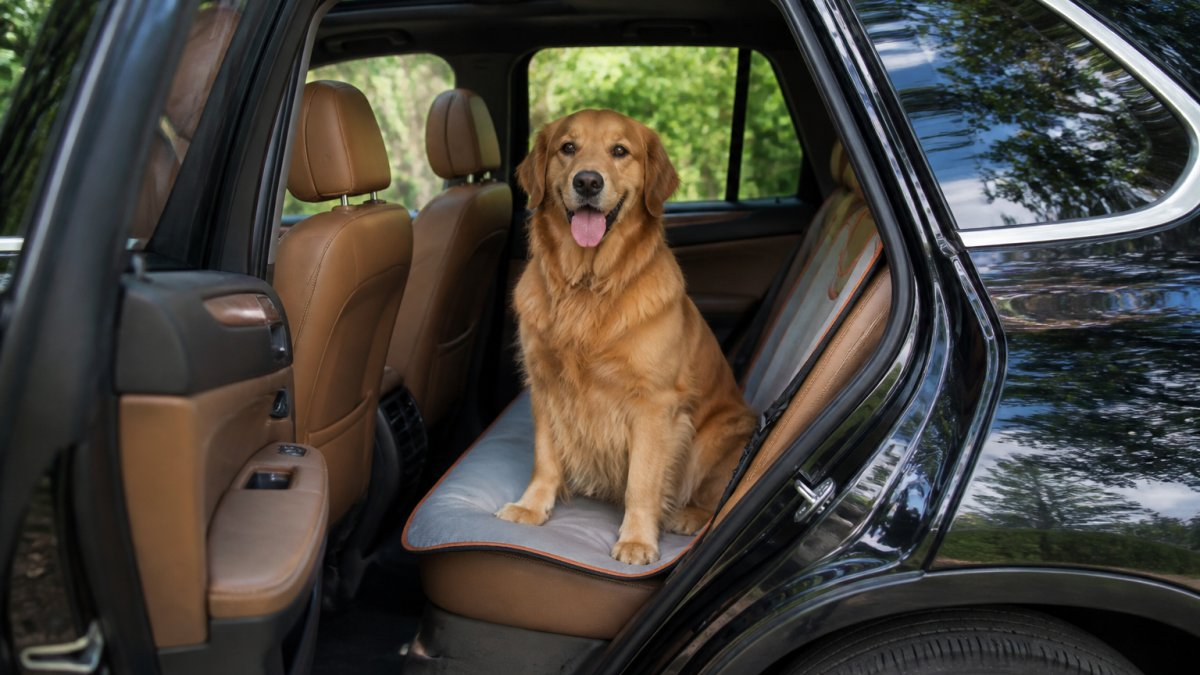
Harnesses that connect to the seat belt. The chest plate should sit flat across the sternum, not dig into the throat or armpits, with room for two fingers under each strap. The tether should be short enough that your dog cannot reach the front seat or window, but long enough to sit, stand, and lie down. With your dog sitting, gently pull the tether, the harness should not rotate or slide up toward the neck.
Crash-tested car seats and boosters. These suit small dogs, commonly under 20 pounds, but check the product-specific weight limit.
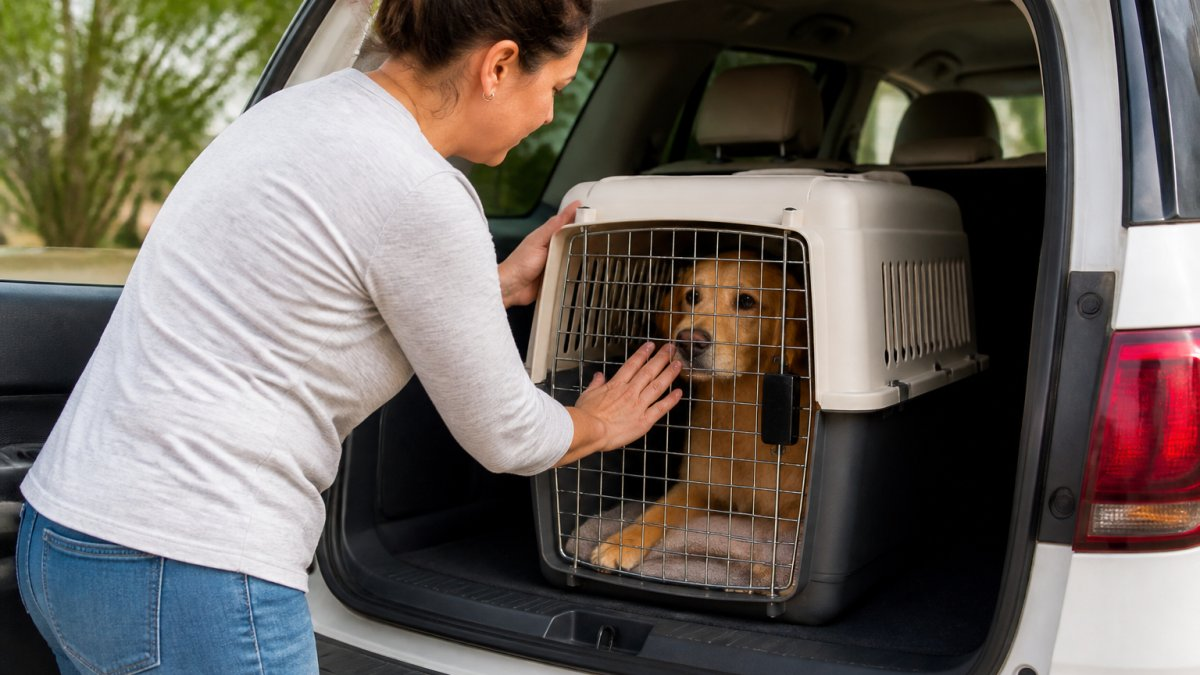
Crates and carriers. Secure the crate with tie-downs or seat-belt routing so it cannot slide or tip.
Barriers and gates. These keep a dog in the cargo area but do not restrain the dog’s body. In a collision, a barrier protects passengers from the dog but not the dog from the cargo walls.
Vehicle compatibility
- Seat-belt tethers work in most sedans and SUVs, but check that the buckle releases cleanly with the tether attached, some aftermarket buckles jam.
- Latch anchors are rated for child seats, not dogs; don’t assume a latch clip is strong enough for a large dog unless the manufacturer specifies it.
- Cargo-area crates need tie-down points. Many SUVs have four floor anchors; use all four, and check that the crate doesn’t block the rear hatch release.
A quick pre-trip fit test
With the dog restrained in a parked car, slide a hand under the harness or rock the crate firmly, then have a helper gently push the dog’s shoulder as if simulating a stop. The restraint should hold without the dog’s body rotating or the hardware shifting. If anything moves more than an inch or two, adjust before you drive.
Avoid attaching a harness to a collar, a head halter, or a plain leash looped around a seat belt. Those setups concentrate force on the neck or fail entirely under load.
Build Comfort with Crate Training for Car Travel
If you’re using a crate for transport, your dog needs to associate it with safety and comfort, not confinement.
Start at home.
Reward calm behavior near the crate.
Gradually close the door. Feed your dog meals inside the crate with the door open first.
Only then start the engine with your dog in the crate.
Never use the crate as punishment. Your dog should view it as his safe space, not a penalty box.
Implement a Step-by-Step Desensitization Plan
Desensitization pairs each travel trigger with something the dog already likes, advancing only when the dog stays calm. The outline below is a starting pace, not a schedule, some dogs move faster, many slower, and a dog who stalls needs a smaller step, not more repetition.
The rule that governs every stage
Advance when your dog shows relaxed body language, soft eyes, loose ears, a wagging or neutral tail, willingness to take treats. Retreat when you see lip licking, yawning, whale eye, stiff posture, refusal of treats, or attempts to leave. A dog who will not eat is over threshold; end the session and make the next step easier.
Stage 1: The parked car, engine off
Start with the car in the driveway, doors open. Sit on the tailgate or in the back seat and toss treats toward the car, don’t lure the dog in.
If your dog stalls here: the trigger may be the car itself, the driveway, or the sound of the door. Isolate one variable, feed meals near the car, then beside it, then with a door open.
Stage 2: Inside the car, engine off
With the dog in the car, feed high-value treats and end the session before the dog wants to leave. Keep doors open at first, then close them for a few seconds, then longer.
If your dog stalls here: the confinement may be the trigger, not the car. Practice the same sequence in a crate or carrier inside the house first, then move the crate to the car.
Stage 3: Engine on, parked
Start the engine, reward calm behavior for 30-60 seconds, then shut it off and end the session. Build to a few minutes over several sessions. If the dog reacts to sound or vibration, have a helper start the engine while you feed treats at a distance, then work closer.
If your dog stalls here: some dogs react to the vibration through the floor more than the sound. Try a thicker crate pad or a folded blanket under the dog, and shorten the session.
Stage 4: Very short drives
Drive 1-3 minutes on a quiet street and return home. First drives should end somewhere pleasant, home, a familiar park, a friend’s driveway, not the vet. Repeat until the dog settles within the first minute.
If your dog stalls here: motion sickness and anxiety can look alike. If the dog drools, vomits, or becomes withdrawn only once the car moves, raise it with your veterinarian before continuing.
Stage 5: Longer and varied drives
Extend to 10-15 minutes, then 20-30, on routes with gentle turns and no heavy traffic. Add variety, different times of day, different destinations, so the car isn’t tied to one outcome. Reward calm behavior during and after each trip.
Handling setbacks
A bad experience, a hard brake, a loud noise, a vet visit, can undo weeks of progress. Drop back one or two stages for a few sessions rather than restarting. Don’t push through a distressed dog to “get it over with”; that’s the most common reason desensitization fails.
Keep a simple log: date, stage, duration, and a one-word note on the dog’s body language. Patterns show up fast, for example, that afternoon drives go better than morning drives, or that the dog stalls only when the crate door closes.
If your dog cannot progress past Stage 3 after several weeks of consistent, calm sessions, involve your veterinarian rather than repeating the same step.
Manage Dog Car Anxiety Tips for the Road
Once your dog is in the vehicle, these strategies help manage anxiety during the drive.
Keep the environment calm. Play soft music or white noise to mask external sounds. Maintain a steady temperature.
Use familiar comfort items. Pack your dog’s favorite blanket, bed, or toy, familiar scents reduce stress.
Offer calming aids if appropriate. Calming treats, sprays, or vests may help some dogs.
Avoid feeding right before travel. Feed your dog 2-3 hours before departure. A full stomach combined with motion increases the risk of car sickness.
Prepare for Long-Distance Car Travel with a Dog
Long-distance travel requires more planning: your dog needs rest, hydration, bathroom breaks, and emotional support over many hours.
Pack a dog travel kit. Include water and a collapsible bowl, food and treats, medications, a first-aid kit, vaccination records, ID tags, regular bedding, a favorite toy, and waste bags.
Maintain routine as much as possible. Feed your dog at his normal times. Keep his schedule consistent. Routine reduces anxiety during travel.
Consider professional transport for very long distances. If your trip spans multiple days or your dog’s anxiety is severe, professional pet transport may be a better option. Connect with the Pet Transport Network to learn how safe dog transportation services can handle the logistics while your dog receives expert care.
Book pet-friendly accommodations in advance. Confirm your hotel accepts dogs and know the fees and policies before you arrive.
When to Consult Your Veterinarian About Travel Anxiety
Some dogs need professional help beyond desensitization and comfort measures.
Consult your veterinarian if:
- Your dog shows signs of severe anxiety (aggression, extreme panic, loss of bladder control)
- Anxiety doesn’t improve after 4-6 weeks of gradual desensitization
- Your dog experiences car sickness consistently
Your veterinarian can rule out medical issues that mimic anxiety, a dog with ear infections, vestibular disease, or other conditions may appear anxious when he’s actually in pain.
For severe anxiety, your veterinarian may prescribe short-term anti-anxiety medication for travel days. Medication works best combined with desensitization, not as a replacement.
If your dog needs professional transport assistance, The Pet Transport Network connects you with vetted independent transporters who have experience handling anxious dogs.
Complete Your Pre-Transport Checklist
Before any trip, complete this checklist to ensure your dog is safe and comfortable.
| Item | Purpose | Status |
|---|---|---|
| Restraint system installed | Prevents injury during travel | ☐ |
| Crate or carrier secured | Keeps dog stationary and safe | ☐ |
| Water and bowl packed | Prevents dehydration | ☐ |
| Food and treats ready | Maintains nutrition and comfort | ☐ |
| Medications included | Ensures health needs are met | ☐ |
| ID tags updated | Enables recovery if dog escapes | ☐ |
| Vaccination records copied | Required by some transporters | ☐ |
| Familiar bedding packed | Reduces stress through familiar scents | ☐ |
| First-aid kit prepared | Addresses minor injuries quickly | ☐ |
| Route planned with stops | Prevents fatigue and stress buildup | ☐ |
| Pet-friendly lodging confirmed | Ensures safe overnight accommodation | ☐ |
| Microchip information verified | Provides permanent identification | ☐ |
Review this checklist 1-2 days before departure to prevent last-minute scrambling.
The key to how to safely transport anxious dog requires patience, planning, and the right approach: understand your dog’s triggers, build comfort gradually through desensitization, and use proper restraint systems and familiar comfort items. When you’re ready to arrange professional pet transport, The Pet Transport Network connects you with vetted transporters who understand anxious dogs and deliver safe, verified transport across the country.
Frequently Asked Questions
What is the safest way to safely transport an anxious dog in a car?
The safest method combines a crash-tested restraint system with gradual desensitization. Use a properly fitted harness, car seat, or secured crate that keeps your dog stationary and prevents movement during sudden stops. Pair this with short practice trips and calming aids like familiar bedding or a calming vest. Start with short drives to build positive associations before attempting longer journeys.
Should I use a crate or a seat belt for an anxious dog in the car?
Both can work if properly fitted and crash-tested. A covered crate provides security and containment, reducing visual stimuli that trigger anxiety. A harness or car seat offers more visibility and can feel less restrictive to some dogs. Choose based on your dog’s temperament: anxious dogs often prefer the enclosed safety of a covered crate, while others respond better to a seat-belt harness. Ensure whatever you choose is crash-tested and properly installed.
How can I help my dog get used to car rides?
Start with short, positive trips, just sitting in a parked car with treats, then a 5-minute drive to a favorite spot. Gradually increase duration and distance over weeks. Use familiar bedding and favorite blankets to create comfort. Practice before any stressful trip like a vet visit. Reward calm behavior with praise and treats. If anxiety persists after several weeks of gradual introduction, consult your veterinarian about calming aids or medication.
What should I pack for an anxious dog on a long road trip?
Pack familiar bedding, favorite blankets, and a favorite toy or bed to reduce stress. Bring water, portable bowls, and any prescribed medications or calming aids like a calming vest or transport spray. Include waste bags, a first-aid kit, and your dog’s medical records. Plan for regular stops every 2-3 hours to allow bathroom breaks and movement. Bring contact information for your veterinarian and emergency clinics along your route in case of car sickness or anxiety escalation.
