Last Updated: October 26, 2026
Quick Summary
Track pets during transit by using GPS trackers for air travel, establishing communication checkpoints with your transporter, and requesting regular updates at pickup, rest stops, handoffs, overnight stays, and final delivery. Cellular trackers work better than Bluetooth for cargo holds, and you should discuss tracking capabilities with your airline and transporter before the journey begins.
- Cellular GPS trackers are more practical than Bluetooth devices for air travel since they work in cargo holds where Bluetooth cannot reach
- Establish five key communication checkpoints: pickup confirmation, rest stop arrival, transporter handoff, overnight stay location, and final delivery approach
- Request photos or videos at pickup and written confirmation of your pet’s condition at each handoff point
- Contact your transporter immediately if tracking stops or your pet is delayed beyond the expected arrival time
- Connect with vetted transporters through The Pet Transport Network to access professional services that prioritize tracking and communication
Table of Contents
- Why Tracking Matters During Pet Transit
- Prepare Your Pet and Gather Essential Information Before Transport
- GPS Tracker for Dogs During Travel: Setup and Device Selection
- Pet Transport Tracking Updates: Your Real-Time Monitoring Plan
- GPS Tracker Battery Life for Pets: Ensuring Coverage Across Your Journey
- Pet Transporter Communication Checklist: What to Request at Each Handoff
- What to Do When Tracking Stops or Your Pet Is Delayed
- Frequently Asked Questions
Why Tracking Matters During Pet Transit
The ability to track pets during transit can give you visibility into their location. When your animal travels, knowing where they are can help you stay informed.
Most pet owners worry about what happens between drop-off and delivery. A tracking system may provide information about your pet’s journey.
The Pet Transport Network LLC connects pet parents with a network of vetted independent transporters and established transport companies.
Tracking may provide information about your pet’s location during transit.
Prepare Your Pet and Gather Essential Information Before Transport
Before your pet travels, you may want to gather your pet’s identification details, medical records, and contact information.
Create a document with these essentials:
- Your pet’s full name, age, and species
- Microchip number and registration details
- Photo of your pet (clear, recent image)
- Your current phone number and email address
- Emergency contact person and their phone number
- Any medical conditions or medications your pet takes
- Veterinary clinic name and phone number
- Airline confirmation number or air waybill number (if flying)
When selecting a transporter, ask about their capabilities upfront. Connect with professional transporters through The Pet Transport Network.
GPS Tracker for Dogs During Travel: Setup and Device Selection
GPS trackers and Bluetooth devices are options some pet owners consider for travel. Their features vary by device.
Cellular vs. Bluetooth Trackers
For air travel, cellular trackers are more practical. Your pet travels in cargo where you cannot see them, and Bluetooth won’t reach that far. A cellular tracker sends you location data even when your pet is in the aircraft cargo hold, though signal strength may vary.
Airline Safety and Cargo Hold Compatibility
Before purchasing a tracker for air travel, contact your airline and ask about its requirements.
Ask your transporter about their experience with tracking devices.
Pet Transport Tracking Updates: Your Real-Time Monitoring Plan
You can discuss communication checkpoints with your transporter before the journey begins.
- Pickup confirmation – Your transporter confirms they’ve collected your pet and are heading to the first checkpoint
- Rest stop arrival – Your pet has arrived at a scheduled rest stop for water, exercise, and bathroom breaks
- Handoff to next transporter – If multiple transporters are involved, confirmation that your pet has transferred safely
- Overnight stay location – If your pet stays overnight, confirmation of the facility and your pet’s condition
- Final delivery approach – Your transporter notifies you they’re 1-2 hours away from the destination
Discuss these communication checkpoints with your transporter before the journey begins.
| Checkpoint | What Happens | Purpose |
|---|---|---|
| Pickup confirmation | Transporter collects pet and heads to first checkpoint | Confirms journey start |
| Rest stop arrival | Pet arrives at scheduled rest stop | Water, exercise, bathroom breaks |
| Handoff to next transporter | Pet transfers safely between transporters | Confirms safe transition |
| Overnight stay location | Facility confirmation and pet condition update | Ensures pet comfort |
| Final delivery approach | Transporter notifies you 1-2 hours before arrival | Prepares you for pickup |
GPS Tracker Battery Life for Pets: Ensuring Coverage Across Your Journey
Before transport begins, check whether your tracker’s battery is expected to last for the journey. Learn about pet transport costs and what to budget when planning your pet’s transit.
Pet Transporter Communication Checklist: What to Request at Each Handoff
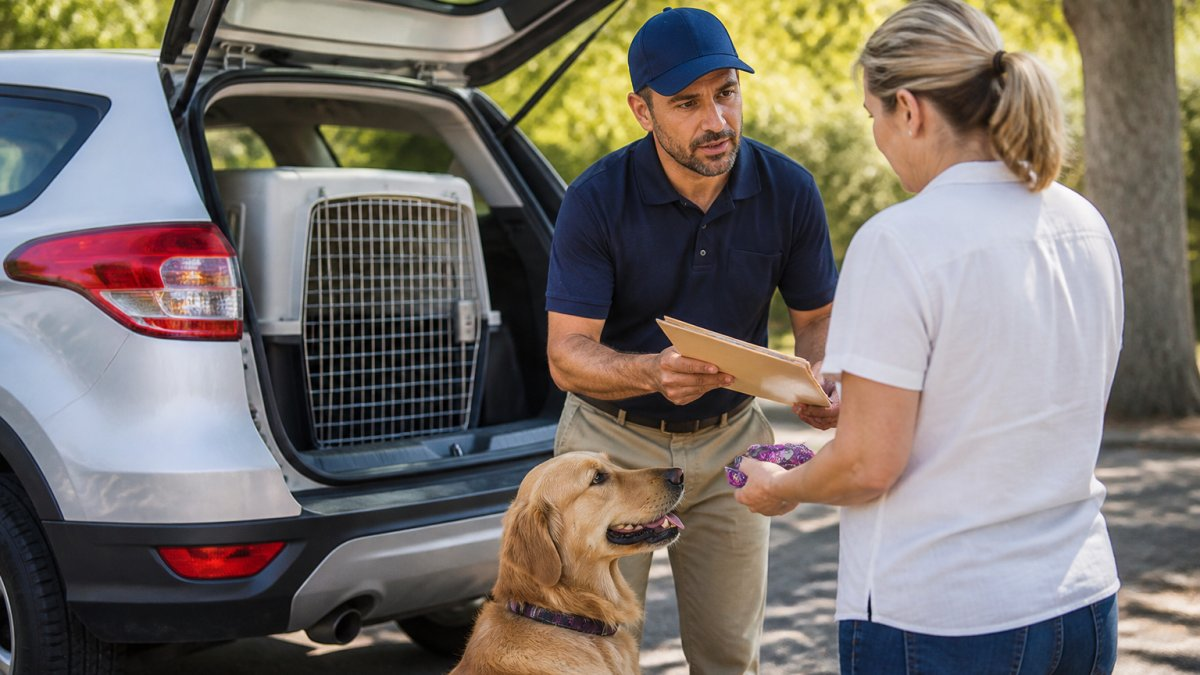
A communication checklist can help you organize information when your pet transfers between vehicles or handlers.
Pickup and Loading Confirmation
You can ask your transporter for a photo or video of your pet at pickup and an update on your pet’s condition.
You can ask for written confirmation of pickup details.
In-Transit Check-ins and Delay Protocols
You can ask your transporter whether they provide check-ins during the journey.
You can discuss how you would like to be contacted if there is a delay.
Delivery and Handoff Verification
You can ask your transporter about confirmation at delivery.
You can ask your transporter whether they provide a written summary after delivery.
What to Do When Tracking Stops or Your Pet Is Delayed
A tracking device may stop updating if it loses coverage or runs out of battery.
If tracking stops, you can contact your transporter to ask for an update.
If your pet is delayed beyond the expected arrival time, you can ask your transporter for an update.
If you cannot reach your transporter and tracking has stopped, contact The Pet Transport Network or the transport company directly.
If your pet needs medical attention during transport, contact your transporter to discuss the situation.
Tracking your pet during transit transforms the experience from uncertainty to confidence. Start by choosing a transporter who understands the importance of real-time communication. Explore vetted ground transporters who specialize in tracking and communication. The Pet Transport Network LLC connects you with professional transporters who prioritize your pet’s safety and keep you informed every step of the way. Get started with The Pet Transport Network and receive regular updates, GPS tracking integration, and direct access to your transporter throughout your pet’s journey.
Frequently Asked Questions
Is a GPS tracker or Bluetooth tag better for tracking a pet during long-distance transport?
GPS trackers and Bluetooth tags are different device options. Check the device specifications and airline requirements before choosing one for travel.
How often should a pet transporter provide tracking updates during transport?
Ask your transporter what updates they provide and discuss your preferred contact method and frequency before transport begins.
What should I do if my pet’s GPS tracker stops updating during transit?
If your pet’s GPS tracker stops updating, contact your transporter to ask for an update.
What information should I gather from my pet transporter before the trip begins?
Before the trip, ask your transporter what information they need and how they communicate during transport.

Leave a Reply